Table of Contents
Immersive Experiences
Interactive play trends are redefining how people engage with slot gacor. Players no longer just observe—they participate, create, and shape experiences. With the rise of virtual reality, augmented reality, and cross-platform interaction, digital play has become more immersive, social, and dynamic than ever before.
Virtual Reality
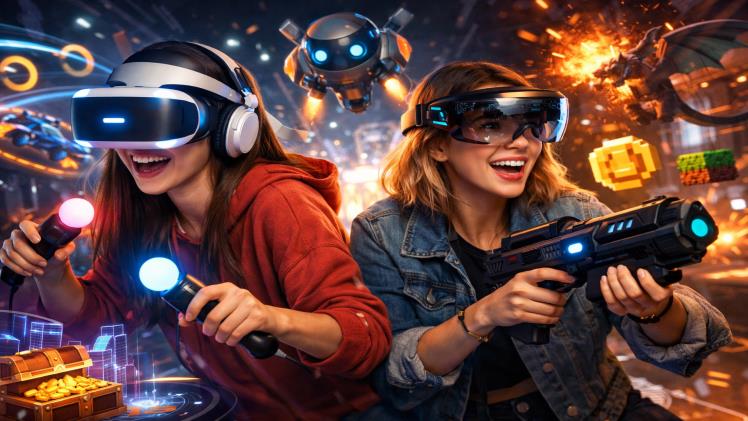
Virtual reality (VR) is a cornerstone of modern interactive play. Devices like Oculus Quest and HTC Vive allow players to step into fully immersive worlds. Motion tracking, realistic physics, and haptic feedback turn gameplay into a physical experience, making every movement, reaction, and choice feel tangible. VR gaming transforms interaction from visual engagement to full-body participation.
Augmented Reality
Augmented reality (AR) integrates digital elements into real-world environments. Games like “Pokémon GO” and AR-enabled puzzle titles encourage exploration, social interaction, and creative problem-solving. AR creates a seamless bridge between physical and digital spaces, turning everyday surroundings into interactive playgrounds.
Social Gaming
Social engagement is at the heart of interactive trends. Multiplayer games, live events, and community-driven platforms connect players globally. Clans, guilds, and online tournaments foster collaboration and competition, while platforms like Discord and Twitch amplify social interaction and fan engagement. Gaming has become a social experience as much as an entertainment medium.
Cloud Integration
Cloud technology is shaping the accessibility and scale of interactive play. Services like Xbox Cloud Gaming and NVIDIA GeForce Now allow players to stream high-quality games instantly, removing hardware limitations. Cloud integration supports cross-platform play, larger multiplayer environments, and real-time updates, making gaming more inclusive and connected.
AI Interaction
Artificial intelligence enhances interactivity by creating responsive worlds and adaptive gameplay. NPCs react to player behavior, environments evolve dynamically, and procedural generation ensures every session feels unique. AI-driven interactions create deeper immersion and allow players to influence outcomes in meaningful ways.
Competitive Play
Interactive gaming trends also fuel competitive play. eSports, online tournaments, and ranked leagues challenge players to hone their skills and showcase mastery. Games like “League of Legends,” “Valorant,” and “Fortnite” combine strategy, speed, and teamwork, highlighting how interactivity enhances both entertainment and skill development.
Creative Engagement
Players are becoming co-creators. Sandbox games, level editors, and modding communities empower users to design worlds, characters, and experiences. Platforms like “Minecraft” and “Roblox” demonstrate how interactive play encourages creativity, collaboration, and innovation, giving players agency in shaping their digital environments.
Mobile Expansion
Interactive trends extend to mobile bandot88. Advanced smartphones, 5G connectivity, and cloud streaming allow high-quality interactive experiences on the go. Mobile platforms enable casual and competitive players to engage in real-time, collaborative, and location-based experiences, broadening the reach of interactive gaming worldwide.
Economic Influence
The rise of interactive play fuels new economic models. In-game purchases, digital marketplaces, NFTs, and subscription services generate revenue while creating opportunities for developers, streamers, and content creators. Interactive trends turn players into active participants in digital economies, reshaping how value is created and exchanged.
Cultural Impact
Interactive play trends are influencing culture beyond gaming. Music, fashion, social media, and entertainment increasingly reflect gaming aesthetics and narratives. Online communities produce memes, fan content, and virtual events that blend digital and real-world culture, showing the pervasive impact of interactive engagement.
Future Outlook
The future of interactive play promises deeper immersion and connectivity. AI-driven personalization, VR and AR integration, and cloud-enabled global experiences will redefine engagement. Players can expect worlds that adapt to choices, multiplayer ecosystems that grow organically, and experiences that merge creativity, competition, and social interaction seamlessly.
Why It Matters
Understanding interactive play trends is essential for players, developers, and businesses. These trends highlight how technology, social dynamics, and creativity converge to shape digital engagement. The evolution of interactivity influences culture, economy, and the future of entertainment, proving that gaming is more than fun—it’s a transformative medium.
Conclusion
Interactive play trends are pushing the boundaries of gaming, combining technology, social connection, and creativity into engaging experiences. From VR and AR to cloud integration, AI, and competitive ecosystems, players are participating in worlds that respond, adapt, and evolve. As these trends continue, interactive play will remain a driving force in entertainment, shaping how people connect, create, and experience digital worlds in ways that are richer, more immersive, and endlessly exciting.