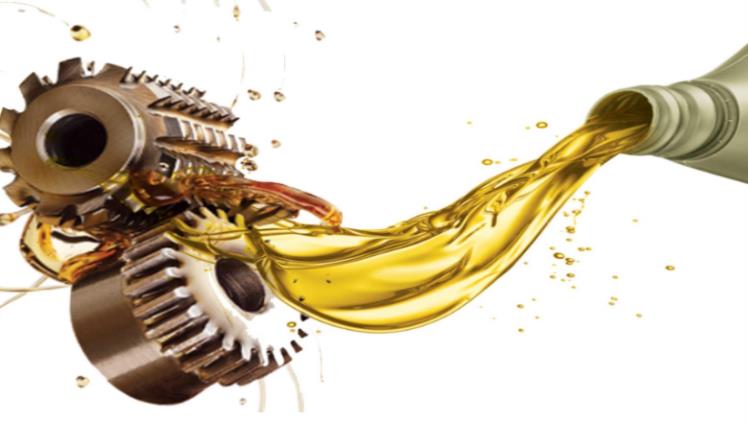
In today’s industrial world, machinery is the backbone of productivity. These machines operate for long hours, under extreme pressure, and often in harsh environments. To maintain efficiency and prevent failures, lubrication is not optional—it is essential. Without it, friction damages parts, heat builds up uncontrollably, and breakdowns become unavoidable. Two of the most effective solutions that industries rely on are Industrial Lubricants and Industrial Grease. Each has its own role, but together they ensure reliable, efficient, and cost-effective operations.
Table of Contents
Why Industrial Lubricants Are Critical
Industrial Lubricants serve as a protective film between moving surfaces. By separating these surfaces, they reduce friction, minimize wear, and keep operations smooth. This simple function has a powerful impact: less energy is wasted, machines consume less power, and productivity increases.
Another major advantage is protection against corrosion. Industrial settings are full of challenges—dust, moisture, and chemicals. Lubricants form a barrier that prevents these elements from causing rust or oxidation. In addition, lubricants help manage heat by dispersing it away from the parts that generate it. This thermal stability keeps equipment safe, even under continuous and heavy workloads.
Over time, consistent use of high-quality lubricants extends equipment life, lowers maintenance needs, and saves industries significant costs.
The Role of Industrial Grease
While oils flow freely through systems, Industrial Grease is semi-solid and designed to stay in place. This makes it especially valuable in areas where frequent lubrication is difficult or where oils would leak away too quickly.
Industrial grease is commonly applied to bearings, joints, and enclosed parts. It not only lubricates but also protects against contaminants such as dust and water. Because it adheres firmly to surfaces, it resists being washed away in wet or outdoor environments. Another benefit is that grease continues providing protection even when machines sit idle. When restarted, equipment receives immediate lubrication, preventing damaging start-up friction.
For heavy-duty applications, outdoor machinery, and equipment exposed to harsh elements, grease is often the smarter option compared to standard oils.
Different Forms of Oils and Greases
Industrial operations require tailored lubrication strategies.
- Lubricants can be mineral-based for general use, synthetic for extreme conditions, or bio-based for eco-friendly operations. Each type offers different performance levels in terms of stability, cost, and durability.
- Greases are categorized by thickener types like lithium, calcium, or polyurea. Lithium greases are widely used for their balance of water resistance and temperature tolerance, while polyurea greases are valued for long life in high-temperature applications.
Understanding these differences ensures the right product is applied for the right task, avoiding mismatches that reduce efficiency.
How to Select the Right Product
Choosing the right Industrial Lubricants and Industrial Grease requires more than guesswork.
- Check Equipment Specifications – Manufacturers usually recommend the correct viscosity, additives, and grades. These guidelines protect both performance and warranty.
- Assess Operating Environment – Machines in dusty, wet, or high-heat conditions require products that resist contamination, oxidation, and washout.
It’s also important to consider workload and speed. High-speed machinery may need low-viscosity oils, while heavy-load equipment requires greases with extreme pressure (EP) additives.
Benefits of Using Premium Products
Premium-quality lubrication products bring significant advantages beyond basic protection:
- Energy Savings: Reduced friction means less power is required, cutting operating costs.
- Extended Maintenance Intervals: Machines can run longer between servicing.
They also contribute to safer work environments by reducing vibration, noise, and the chance of sudden failures. For businesses trying to improve output while controlling costs, high-grade lubricants and greases deliver long-term value.
Common Errors to Avoid
Even with the best products, mistakes can undermine effectiveness. The most frequent errors are:
- Incorrect Selection: Using grease where flowing oil is required, or choosing the wrong viscosity, causes wear and overheating.
- Irregular Replacement: Over time, oils degrade and greases lose effectiveness. Delaying replacement schedules weakens protection.
Improper storage is another issue. When lubricants are exposed to moisture, dust, or high heat before being applied, their performance drops significantly. Handling and storing them correctly is as important as selecting the right type.
Conclusion
Industrial reliability depends on proper lubrication. Industrial Lubricants reduce friction, disperse heat, and guard against corrosion, while Industrial Grease stays in place to deliver long-term protection where oils cannot. Used together, they maximize efficiency, extend equipment life, and reduce operational costs.
By choosing the correct type, following manufacturer specifications, and avoiding common errors, businesses can maintain smooth, safe, and productive operations. Lubrication is more than a maintenance task—it is an investment in long-term success.