Table of Contents
What happened and why this matters
When you’re a victim of a truck crash in Houston — say you were driving or riding in your car and a heavy commercial truck hit you — the stakes are huge. You might face medical bills, lost wages, pain you never expected, and an insurance company or trucking firm with deep pockets fighting you. You need more than just “I was in a wreck.” You need proof.
In Texas, a strong case means showing how the crash happened, why it happened, and who is responsible. That’s the reason behind gathering evidence. And yes — time matters, because the longer you wait, the more some evidence disappears. Contact an experienced Houston truck accident lawyer to guide you through the process.
Step 1: Document the scene right away
You know what? The first minutes after the crash are chaotic. But if you can hold your cool just a little, you’ll set yourself up for a better case.
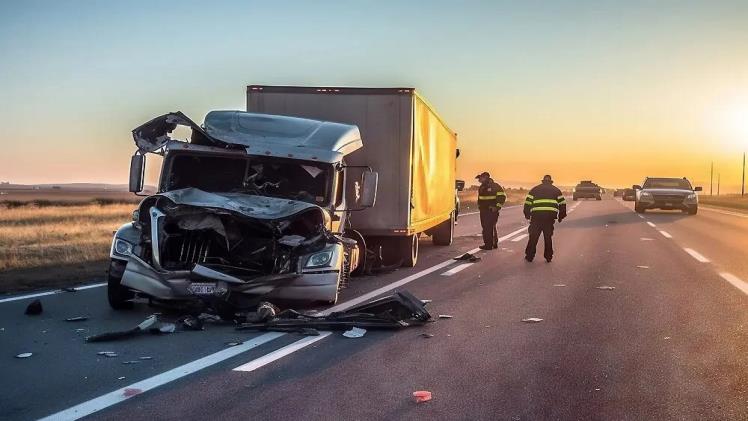
- Take photos and videos of everything: the damage to your car, the truck, skid marks, broken guardrails, road signs, road surface, weather conditions.
- Get witness info: names, phone numbers, what they saw. Even a short quote they give you helps.
- Get driver info: the truck driver’s name, CDL number, the company name, insurance info.
- Don’t forget yourself: write down your condition right then, how you felt, any pain. Later memory fades fast.
- Finally: call 911 or law enforcement. If there are injuries or major damage, a report must be filed.
Doing these things right away gives you details that will matter—road condition, vehicle positions, what you saw first. If you wait a week, things change.
Step 2: Get vital records that many miss
Once the scene is documented, you move into the records-zone. This is where legal detail meets human impact.
- Police report: The official accident report can contain statements, citations, and early fault determinations. In Texas the report isn’t always admissible in court as proof of fault, but it’s still useful.
- Medical records & bills: Show your injuries, treatment, how you were impacted. These show the “damage” side of your case.
- Truck logs and black-box data: Many commercial trucks have electronic control modules (ECMs) that record speed, braking, etc. Getting that data can show whether the driver was negligent.
- Maintenance records & hiring/training records: Was the truck properly maintained? Was the driver properly hired and trained? These records may show the trucking company had a duty and dropped the ball.
This step may sound “legal-big,” but in plain words: you’re gathering proof that you didn’t just “get unlucky” — you were hurt because someone or something failed.
Step 3: Protect evidence before it’s gone
Here’s a harsh fact: trucking companies often act fast to protect their interests. Evidence can vanish. Trucks get repaired, logs get overwritten, physical debris disappears. So:
- Make sure those photos/videos you took are safely stored (cloud backup, email yourself).
- Ask your lawyer or ask early: can the truck company preserve the ECM data, logs, parts of the truck? If not, ask for a preservation letter or subpoena.
- Your lawyer (or you) may consider hiring an expert accident-reconstruction person. They may need to inspect the truck, scene, and damage before things get lost.
If you skip preserving evidence, you’re basically handing your opponent a “we don’t have proof” card. Don’t do that.
Step 4: Work with professionals (lawyer, experts)
You’ve done a lot by yourself; good on you. But remember: the trucking company’s insurance adjuster is not on your side. They want to minimize what they pay. It’s a mismatch. Your case gets stronger if you bring in a lawyer who knows truck-accident cases.
Why this matters:
- A lawyer can demand records you might not know exist.
- They can hire experts who can interpret ECM/log data, recreate the crash.
- They can help you stand firm when the insurance company wants a quick “low-ball” settlement.
- They protect your rights so you don’t accidentally say something that hurts your case.
You need to find someone with experience in heavy-truck accidents, especially in Texas. Call Schechter, Shaffer & Harris, LLP – Accident & Injury Attorneys today. That makes a real difference.
FAQs
Q1: How soon after the crash must I start gathering evidence?
Start immediately. The scene changes fast (weather, traffic, debris). Records get overwritten. The sooner the better.
Q2: Do I have to talk with the truck company’s insurance adjuster?
You can, but don’t do so without caution. Insurance reps often ask for statements or signing something. Before you do that, get legal advice.
Q3: What if I was partly at fault in the accident?
Even if you share some fault, Texas law allows recovery. Your compensation may be reduced by your share of fault. But you still need strong evidence to show the truck company’s fault.
Q4: What kind of photos/videos are the most useful?
Clear views of: vehicle damage; location of the vehicles; skid marks; road signs; weather/visibility; driver behaviour (if captured); your injuries. Use your phone. Time-stamp if possible.
Q5: Can I gather evidence myself, or do I immediately need a lawyer?
You can start gathering immediately (photos, witness info, medical care). But for records like ECM data, logs, hiring records, trucking company maintenance records — you’ll almost certainly need legal help. The best path: start early, then bring in a lawyer for the heavy lifting.